

American Heart Association Expands Initiative to Tackle Interconnected Health Conditions
Summary
Full Article
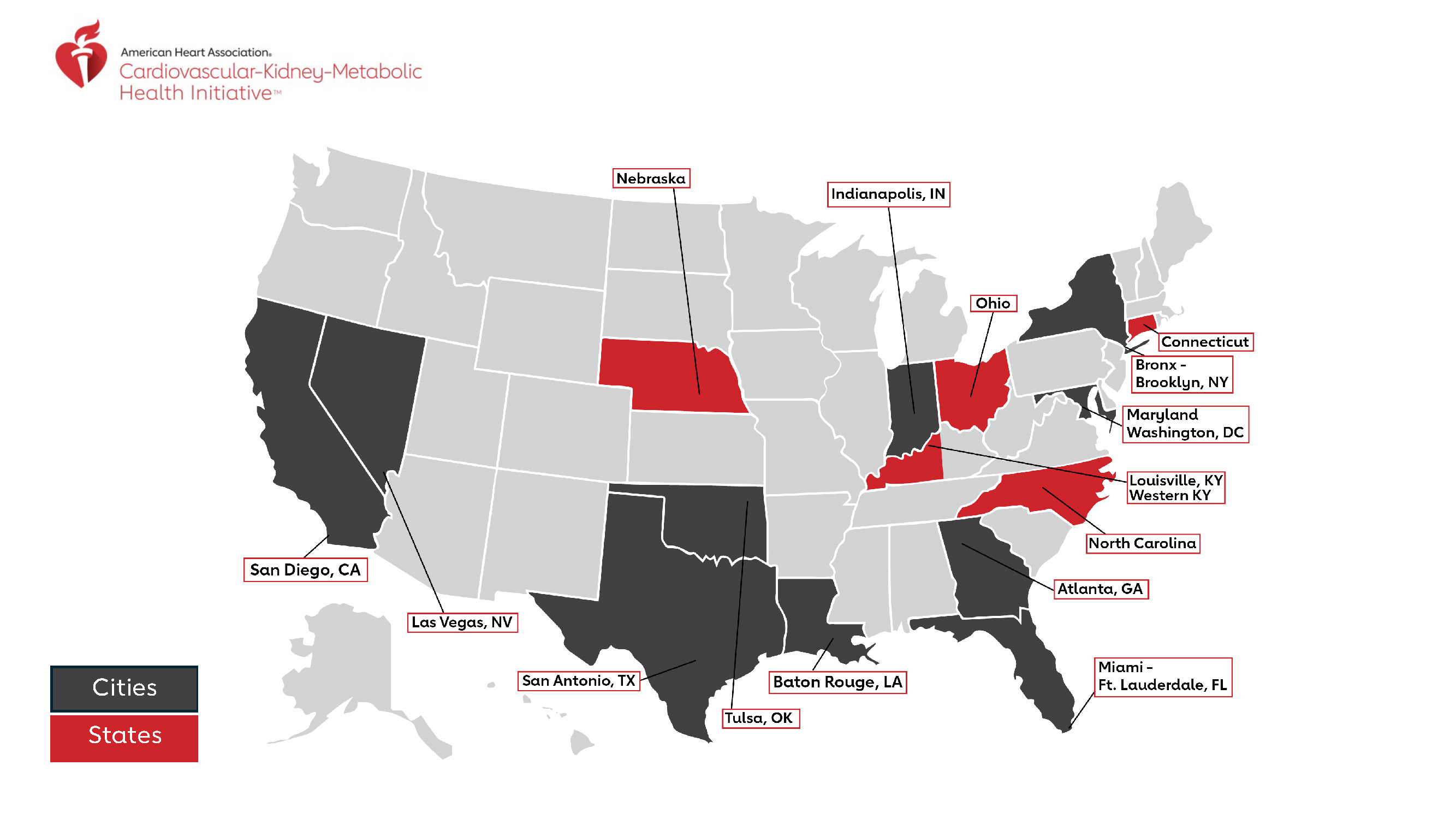
The American Heart Association's Cardiovascular-Kidney-Metabolic Health Initiative™ is making significant strides in addressing the complex interplay between heart disease, kidney disease, diabetes, and obesity. By expanding its reach to 15 U.S. regions, including Atlanta, Baton Rouge, San Diego, and newly incorporated areas such as Bronx and Brooklyn, Miami, and Las Vegas, the initiative is poised to enroll 150 healthcare sites. This expansion is a direct response to the alarming rates of cardiovascular-kidney-metabolic (CKM) syndrome, a condition that has prompted a public health emergency declaration, with a mere 10% of U.S. adults in optimal CKM health.
Dr. Chiadi Ndumele, leading the initiative's advisory group, highlights the transformative potential of collaborative care models and evidence-based therapies in enhancing CKM health. The initiative not only aims to elevate awareness, screening, and treatment protocols but also seeks to bridge the gap between healthcare services and community resources. This holistic approach is designed to meet the health-related social needs of patients, thereby addressing the root causes of CKM syndrome.
For those seeking further details on CKM health, resources are available at heart.org/myCKMhealth. Additionally, healthcare organizations can benefit from the CKM Health Implementation Guide, offered at no cost, to support the integration of comprehensive care strategies.

This story is based on an article that was registered on the blockchain. The original source content used for this article is located at NewMediaWire